Many business owners hold two assets and think of them as one.
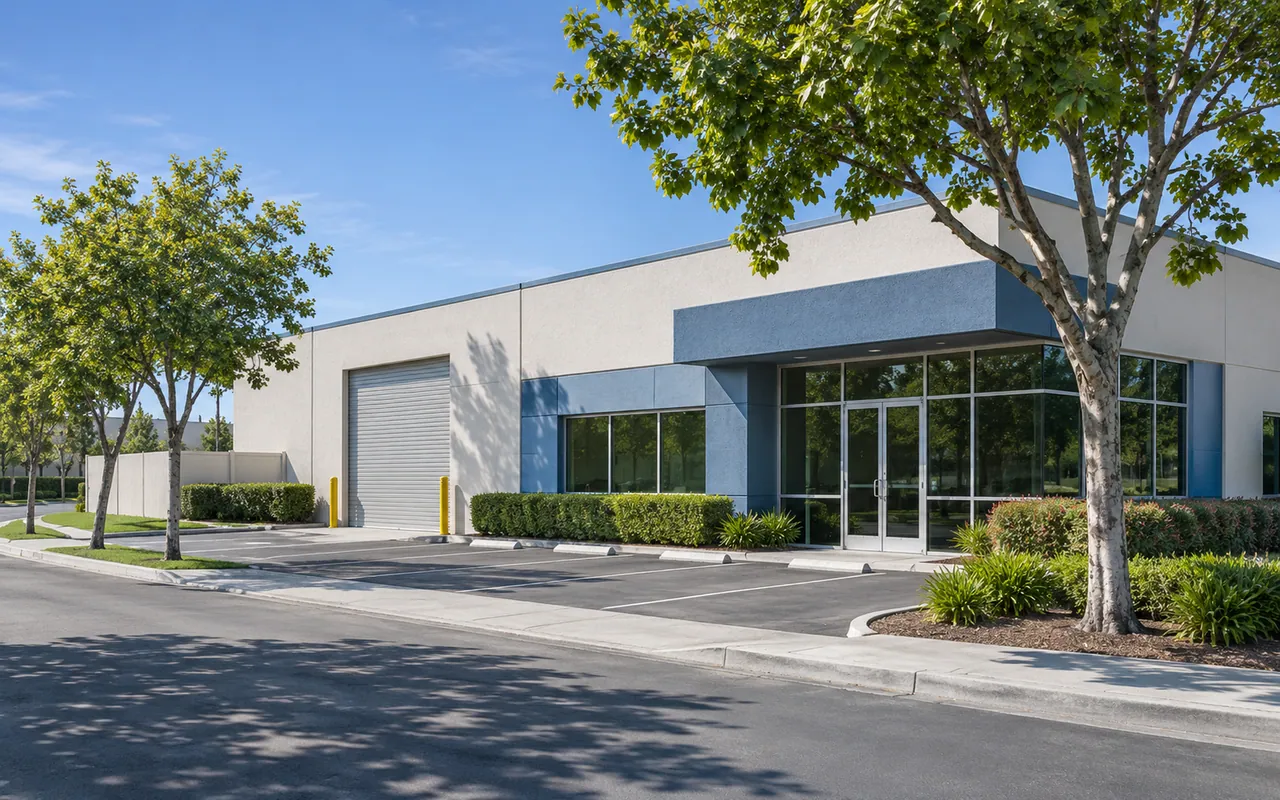
The first is the operating company. The second is the building, the plant or the land it operates from. Often the owner bought the property years ago, sometimes in a separate entity, and the company has paid rent to it, or no rent at all, ever since.
When the owner decides to sell, the two assets come apart. They are valued differently and they attract different buyers.
Two assets, two kinds of buyer
A buyer of a business values earnings. It asks what the company produces each year and how reliable that is.
A buyer of property values rent. It asks what the tenant pays, for how long and how likely the tenant is to keep paying.
A buyer of the business is often not a natural owner of real estate. A private equity firm may prefer to put its capital into the company and lease the premises. A strategic buyer may already have more property than it needs.
A property investor, in turn, usually has no wish to run a business.
Three ways to sell
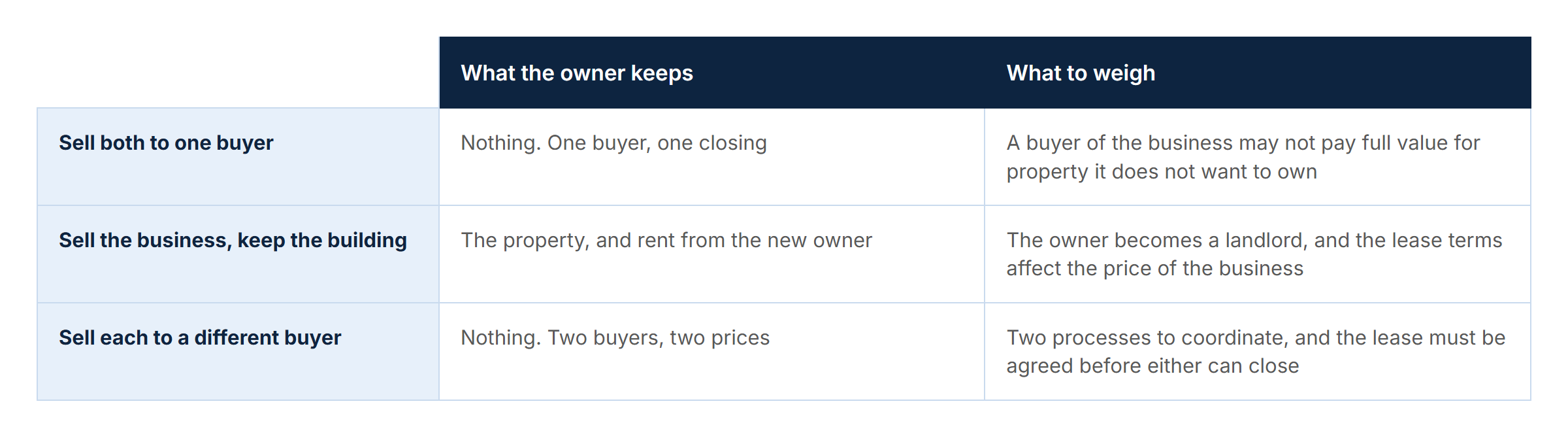
An owner has three broad choices:
- Sell both to one buyer. One negotiation and one closing. It is the simplest path, and it suits a buyer that wants to own its premises.
- Sell the business and keep the building. The owner becomes the landlord of the new owner and collects rent after the sale.
- Sell each to a different buyer. The business goes to an operating buyer and the property to a real estate investor, at the same time or in sequence.
The lease connects the two prices
Whenever the business and the building end up with different owners, a lease sits between them. Its terms move value from one side to the other.
A higher rent makes the property worth more to an investor. It also lowers the earnings of the business, and with them the price a business buyer will pay.
A lower rent does the reverse.
This is why the rent an owner has charged their own company matters. If it has been below the market, the company’s earnings are overstated from a buyer’s point of view. If it has been above the market, they are understated. A buyer will adjust for either.
The lease between the business and the building decides how the total value is divided between them.
Set the lease before the sale
An owner who intends to separate the two should put a written lease in place, at a rent that can be defended, before going to market.
The term, the renewal options and the division of repair costs all matter. A property investor pays for a long, clear lease from a tenant that can be relied on. A business buyer wants to know its occupancy cost is settled and that it cannot be asked to leave.
Without a lease, each buyer has to guess, and buyers who are guessing protect themselves in the price.
Keeping the building
Keeping the property gives the owner continuing income and an asset that may gain value. It suits an owner who wants income after the sale and is content to stay involved.
It also leaves the owner dependent on one tenant: the business just sold, now run by someone else. If that business struggles or moves, the owner holds a building that may have been fitted out for a single use.
The questions to ask are those any landlord would ask. How strong is the tenant under its new owner? How easily could the building be let to another?
Tax and structure
How the property is held, and how each sale is taxed, can change which path leaves the owner with the most. These points depend on the owner’s own facts and belong with a tax advisor and an attorney, early in the planning.
A buyer of the business and a buyer of the building are solving different problems. An owner who treats them as one buyer may leave value with neither.
Your next step
Write down three facts. Who holds title to the property? Is there a written lease between the property and the company? How does the rent compare with what a third party would pay? If the answer to the second is no, that is the first thing to fix.
The next piece in this series covers sale-leasebacks, and how a building can be turned into growth capital.
This article is general information. It is not investment, legal or tax advice, and it is not an offer to buy or sell any security.
Securities are offered through GT Securities, Inc. | Member FINRA, SIPC